




Samsung Galaxy S27 Ultra: carregamento (ligeiramente) mais rápido e potencialmente menos artefatos na câmera
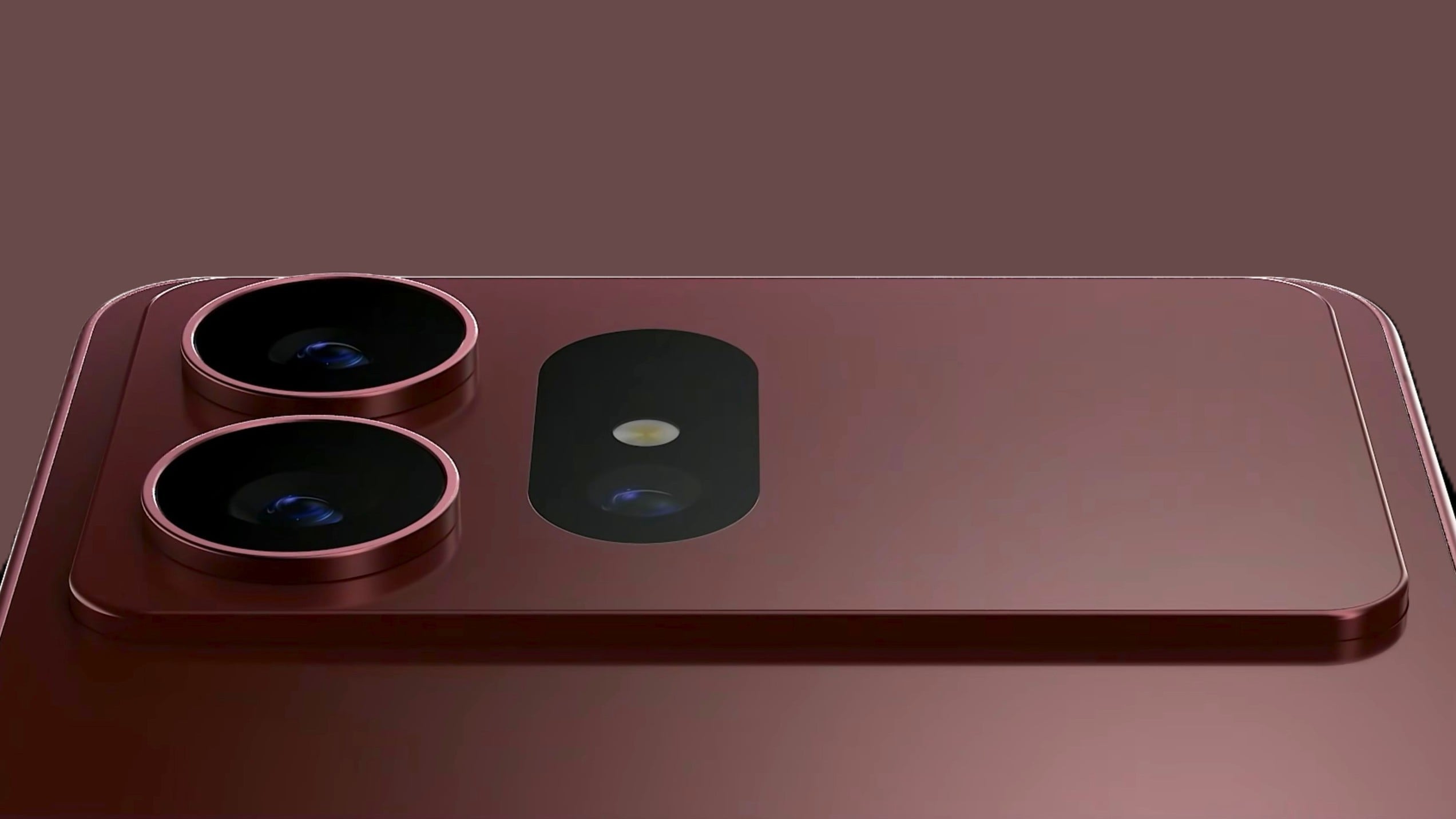
The 60-watt fast charging on the Galaxy S26 Ultra has delivered less of an improvement in practice than many expected compared with the 45 Watt charging speed that Samsung devices were limited to for years, particularly since the maximum wattage is only briefly reached during charging. This is apparently where the successor could offer improvements, according to a recent report from @WalleGalaxy. The short phase during which the Galaxy S27 Ultra will actually charge at 55 to 56 watts will reportedly be extended, improving overall charging speed by 2 to 3 percent, while battery capacity will also increase this time around. According to the leaker, this information comes from internal tests and should therefore be taken with a grain of salt. Only independent tests will show whether these claims were realistic. According to the leaker the Galaxy S27 Ultra charging currently tops out at 58 watts.
Remoção de reflexos na lente graças à IA
Entretanto, outro leaker relata melhorias adicionais no software da câmara, embora estejamos um tanto céticos em relação ao leaker conhecido como @kro_roe no X. Até que estas alegações sejam também corroboradas por outros leakers, como Ice Universe, devem ser encaradas com especial cautela. Se as alegações forem verdadeiras, aparentemente a Samsung também conseguirá lidar melhor com artefactos comuns da câmara, como os reflexos na lente, na geração Galaxy S27, mas de uma forma diferente da maioria dos seus concorrentes. Enquanto a Sony e a Vivo, por exemplo, usam o revestimento T* da Zeiss, que se revelou muito eficaz na supressão de artefactos óticos indesejados, aparentemente a Samsung pretende resolver o problema com inteligência artificial. Segundo o leaker, isto funciona muito bem, mas ainda está por ver se os testes independentes chegarão à mesma conclusão.
Fonte(s)
Imagem: Technizo Concept
 Add as a preferred source on Google


